Concrete Driveway Thickness: How Thick Should a Concrete Driveway Be?
Many homeowners assume all driveways need the same thickness, but soil conditions, vehicle weight, and climate factors all influence the ideal specifications. Getting thickness right from the start prevents costly repairs and premature replacement. This guide examines the factors determining optimal concrete driveway thickness, helping you make informed decisions that balance durability, performance, and budget.
Standard Concrete Driveway Thickness Guidelines
The industry standard for residential concrete driveways is 4 inches thick for typical passenger vehicle use. This thickness provides adequate strength for cars, SUVs, and light trucks while remaining cost-effective for most homeowners. The 4-inch standard has proven reliable across millions of installations over decades of use.
For driveways supporting heavier vehicles like large pickup trucks, RVs, or commercial vehicles, 5-6 inches of thickness becomes necessary. The additional concrete distributes weight more effectively, preventing stress cracks and structural failure under concentrated loads. Commercial driveways serving multiple heavy vehicles typically require 6-8 inches of concrete to handle constant heavy traffic without deterioration.
Key Factors That Determine Required Thickness
Soil Conditions and Base Preparation
The ground beneath your driveway plays a crucial role in determining the necessary thickness. Clay soils expand and contract with changes in moisture, causing movement that stresses concrete. Sandy or gravelly soils provide a more stable base, potentially allowing standard thickness specifications.
Proper drainage prevents water accumulation beneath the driveway, which causes settling, frost heaving, and base erosion. Adequate slope for surface drainage (minimum 2% grade) directs water away from the concrete. In areas where groundwater presents problems, subsurface drainage systems protect the driveway base.
Vehicle Weight and Traffic Patterns
Standard passenger cars weighing 3,000-4,000 pounds create minimal stress on properly designed driveways. These vehicles distribute weight across four contact points, keeping pressure within safe limits for 4-inch concrete. Daily use by family vehicles doesn't require thickness beyond standard specifications.
Heavy-duty pickup trucks, especially diesel models with equipment, can exceed 8,000 pounds. RVs and motorhomes often weigh 10,000-15,000 pounds or more, concentrating substantial loads on small footprints. For homeowners in Frisco planning to accommodate these vehicles, Steadfast Concrete at (214) 833-6372 provides expert thickness recommendations based on your specific vehicle requirements.
Consider reinforcing specific areas where heavy vehicles will travel or park rather than upgrading thickness throughout the entire driveway. Creating transition zones that handle additional stress offers a cost-effective solution without over-engineering the entire installation.
Climate and Freeze-Thaw Cycles
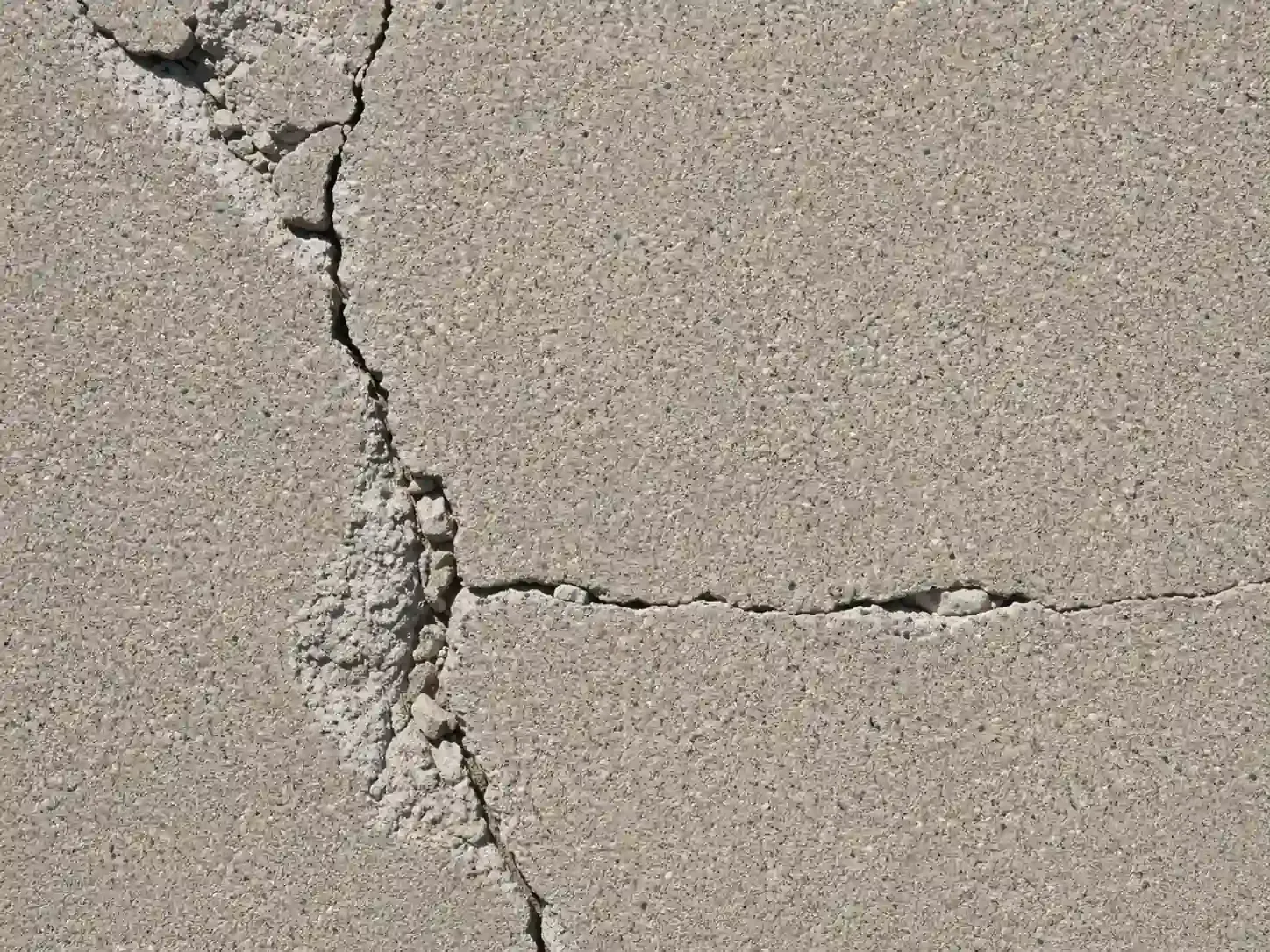
Regions experiencing freeze-thaw cycles place additional demands on concrete driveways. Water infiltrating the concrete expands when frozen, creating internal pressure that causes cracking and spalling. While thickness alone doesn't prevent freeze-thaw damage, it provides more material to absorb expansion forces before structural failure occurs. Temperature extremes in either direction affect concrete performance. Extreme heat causes expansion, while cold creates contraction. The daily and seasonal cycling of expansion and contraction gradually stresses concrete, making adequate thickness important for long-term durability across all climate zones.
Reinforcement Options and Their Impact
Steel reinforcement fundamentally changes how concrete handles stress and load distribution. Wire mesh or rebar embedded in concrete doesn't prevent cracking but controls where cracks occur and limits their severity. Reinforcement allows thinner concrete to perform comparably to thicker unreinforced sections in some applications. Wire mesh consists of steel wires welded in a grid pattern, typically with 6x6 inch spacing. This works well in standard 4-inch driveways, providing crack control without significant cost increase. Rebar offers superior strength for heavy-duty applications, with steel rods placed in a grid pattern that handles substantial loads.
Cost Considerations and Value Engineering
Concrete pricing is typically calculated by the cubic yard, meaning thickness directly impacts project cost. Increasing from 4 inches to 5 inches raises material costs by approximately 25%. For a standard two-car driveway, that represents 1-2 additional cubic yards of concrete and several hundred dollars in additional expense. Value engineering your driveway thickness means investing extra where it matters most. Many driveways benefit from variable thickness: 5-6 inches in high-stress areas such as approaches and aprons, with a standard 4-inch thickness in less-trafficked sections. This targeted approach optimizes cost without compromising performance.
Common Thickness Mistakes to Avoid
Many driveway failures trace back to thickness-related errors during planning or installation. Homeowners often specify standard 4-inch thickness based on current vehicle ownership without considering future needs. Planning for potential vehicle changes adds minimal upfront cost compared to eventual replacement.
Concrete doesn't always end up at the specified thickness during pouring. Concrete contractor sometimes "cheat" thickness to stretch material, especially in areas that won't be easily measured. Areas where the base settles during concrete placement create thin sections even when contractors attempt proper thickness.
Frequently Asked Questions
How thick should a concrete driveway be for a motorhome?
Motorhomes typically require 5-6 inches of concrete thickness depending on their weight. Class A motorhomes exceeding 20,000 pounds may benefit from 6-inch thickness with rebar reinforcement. Consider the specific gross vehicle weight rating (GVWR) when determining appropriate specifications.
Do I need thicker concrete for a sloped driveway?
Sloped driveways don't necessarily require thicker concrete, but they need additional attention to reinforcement and finish. Steep slopes may benefit from extra thickness at the bottom transition where vehicles brake and accelerate, and proper drainage becomes more critical.
Can I pour new concrete over existing driveway instead of making it thicker?
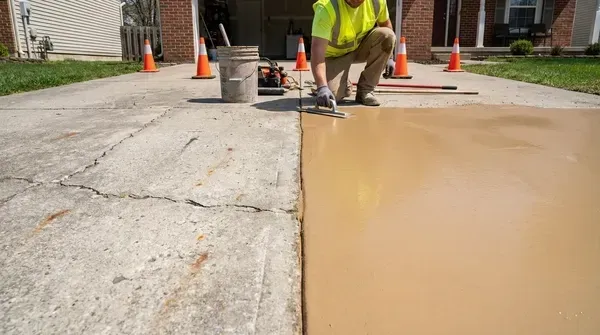
While technically possible, overlaying existing concrete rarely provides optimal results. The combined thickness doesn't perform like a single monolithic pour, and bonding between layers often fails. If your existing driveway is structurally sound, resurfacing might work for cosmetic improvements, but not as a structural upgrade.
Does thicker concrete eliminate the need for control joints?
No, thickness doesn't eliminate the need for control joints. Concrete naturally shrinks as it cures, and control joints direct cracking to planned locations. Regardless of thickness, driveways need control joints spaced at intervals no greater than 8-12 feet for 4-inch concrete.
What's the minimum thickness for a residential driveway?
Four inches is the minimum recommended thickness for residential driveways supporting standard passenger vehicles. Anything less than 4 inches lacks adequate structural capacity and will likely fail prematurely under normal vehicle loads.
Conclusion: Getting Your Driveway Thickness Right
Selecting optimal concrete driveway thickness involves balancing multiple factors including vehicle requirements, soil conditions, climate considerations, and budget constraints. While 4 inches serves most residential applications adequately, understanding when to specify additional thickness prevents premature failure and costly repairs. The investment in proper thickness pays dividends through extended driveway lifespan and reduced maintenance needs. Combining appropriate thickness with quality base preparation, proper reinforcement, and skilled installation creates a driveway that performs reliably for decades.
Planning a new concrete driveway and want expert thickness recommendations?
Contact Steadfast Concrete at (214) 833-6372 for professional assessment and installation services. Their experienced team delivers properly engineered driveways that stand the test of time, ensuring your investment provides lasting value and performance.