Best Cleaning Methods for Concrete Driveways and Patios
Your concrete driveway and patio are significant investments that enhance your property's curb appeal and functionality. Over time, dirt, oil stains, mold, and weather exposure can make these surfaces look worn and neglected. Regular cleaning not only restores their appearance but also extends their lifespan by preventing damage from contaminants that penetrate the surface.
Many homeowners struggle with choosing the right cleaning methods for their concrete surfaces. Using the wrong techniques or harsh chemicals can damage the concrete, while inadequate cleaning leaves stains and buildup behind. Understanding the best practices for concrete maintenance helps you keep your outdoor spaces looking fresh without causing unnecessary wear or requiring premature replacement.
Understanding Your Concrete Surface Before Cleaning
Before selecting a cleaning method, assess your concrete's condition and age. Newer concrete (less than a year old) requires gentler treatment since it's still curing and developing full strength. Older concrete with existing cracks or surface damage needs careful handling to avoid making problems worse.
Check whether your concrete has a sealer applied. Sealed concrete has a protective layer that repels water and stains, requiring different cleaning approaches than unsealed surfaces. You can test this by sprinkling water on the surface—if it beads up, you have a sealer; if it soaks in immediately, the concrete is unsealed.
Pressure Washing: The Most Effective Deep Cleaning Method
Pressure washing stands as the gold standard for concrete cleaning, offering powerful results that manual scrubbing simply can't match. A pressure washer uses high-pressure water streams to blast away dirt, grime, and light stains from concrete surfaces. For homeowners in Frisco looking for professional results, Steadfast Concrete at Frisco provides expert concrete maintenance services that restore concrete without causing surface damage.
Choosing the Right Pressure Setting
Not all concrete surfaces handle the same pressure levels. Driveways typically withstand 3,000 PSI, while decorative or stamped concrete requires lower settings around 1,500-2,000 PSI to avoid surface damage. Start with lower pressure and gradually increase if needed. The nozzle angle matters significantly. A 25-degree nozzle works well for general cleaning, while a 15-degree nozzle tackles tough stains. Avoid zero-degree nozzles as they concentrate too much force in one spot and can etch or damage concrete.
Proper Pressure Washing Technique
Maintain a consistent distance from the surface, typically 6-12 inches. Moving too close creates streaking or gouging, while staying too far reduces cleaning effectiveness. Use smooth, overlapping strokes to ensure even cleaning without leaving streaks or clean patches. Always work from one end to the other systematically rather than jumping around. This prevents dirty water from running over already-cleaned areas. For driveways, start at the highest point and work downward, allowing gravity to help flush away loosened debris.
Chemical Cleaners and Degreasers for Stubborn Stains
Some stains penetrate too deeply for water pressure alone. Chemical cleaners break down oil, grease, and other persistent contaminants at the molecular level. Concrete degreasers contain alkaline compounds that dissolve petroleum-based stains, while acid-based cleaners tackle rust and mineral deposits.
Application Safety and Best Practices
Wear protective gear, including gloves, safety glasses, and long sleeves, when handling chemical cleaners. Never mix different cleaning products as they can create dangerous reactions. Ensure proper ventilation even in outdoor applications, especially when working in enclosed patio areas. Pre-wet the concrete before applying chemical cleaners to prevent them from penetrating too deeply. After cleaning, rinse thoroughly with plenty of water to remove all chemical residue. Residual chemicals can continue reacting with concrete, potentially causing discoloration or damage.
Manual Scrubbing Techniques for Routine Maintenance
Not every cleaning job requires pressure washers or chemicals. Regular maintenance using simple manual methods prevents buildup and keeps concrete looking good between deep cleanings. A stiff-bristled brush, garden hose, and basic cleaning solution handle most routine dirt and light staining. Mix dish soap or laundry detergent with warm water for an effective, gentle cleaning solution. Apply generously to the concrete surface, let it sit for 5-10 minutes, then scrub in circular motions. This method works particularly well for patios with light foot traffic and minimal staining.
Eco-Friendly Cleaning Alternatives
Environmental consciousness drives many homeowners to seek greener cleaning methods. Vinegar solutions offer mild acidity that cuts through dirt and mineral deposits without harsh chemicals. Mix equal parts white vinegar and water, apply to concrete, scrub, and rinse thoroughly. Hydrogen peroxide works well on organic stains and provides natural sanitizing properties. A 3% solution applied directly to mold or mildew kills spores and lifts stains. Let it sit for 10 minutes before scrubbing and rinsing.
Preventive Maintenance and Sealing
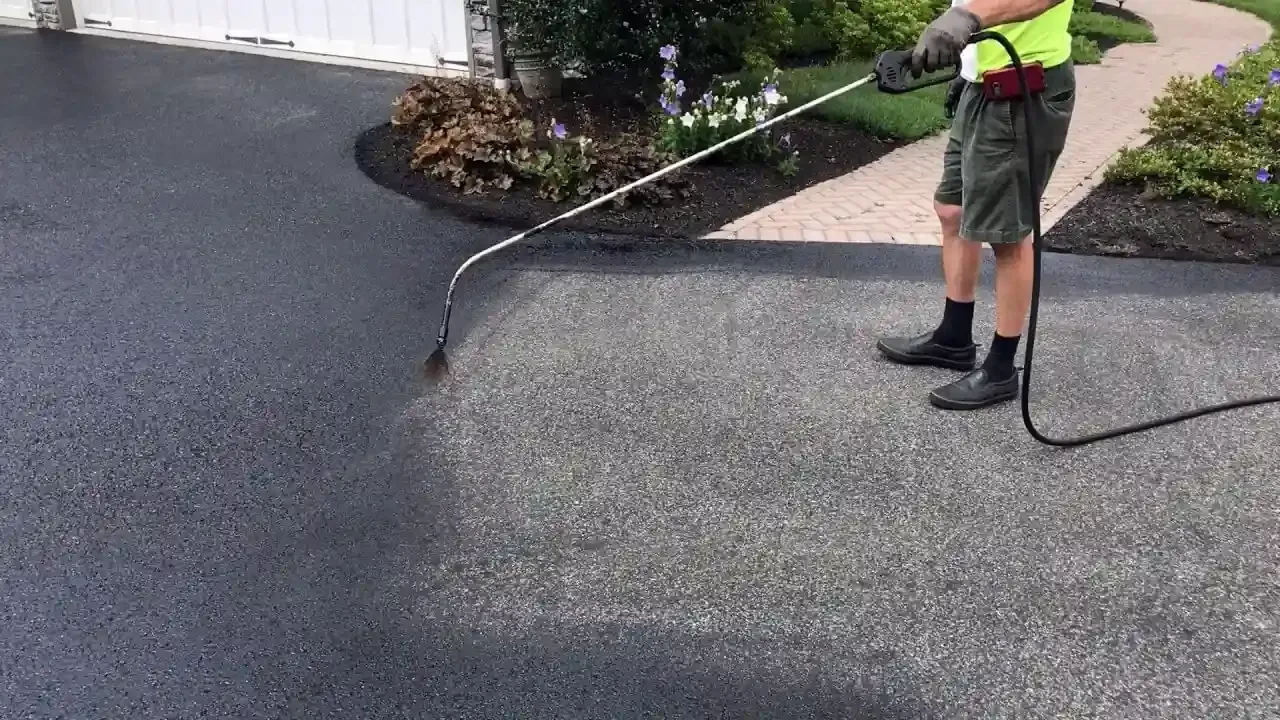
The best cleaning strategy involves preventing stains from forming in the first place. Applying a quality concrete sealer creates a protective barrier that repels water, oil, and other contaminants. Sealed concrete stays cleaner longer and makes future cleaning significantly easier. Sweep or blow off your concrete surfaces weekly to prevent dirt accumulation. Small particles act as abrasives when walked or driven on, gradually wearing down the surface. Quick removal preserves the concrete's smooth finish.
For homeowners seeking professional concrete maintenance services, Steadfast Concrete in Frisco offers comprehensive concrete care solutions. Contact them at (214) 833-6372 for expert advice on keeping your concrete driveways and patios in pristine condition.
Frequently Asked Questions
How often should I clean my concrete driveway?
Most driveways benefit from pressure washing once or twice per year, depending on use and exposure. High-traffic areas or driveways under trees may need more frequent cleaning. Regular sweeping between deep cleanings prevents excessive buildup.
Can I use bleach to clean concrete?
While bleach kills mold and mildew, chlorine bleach can discolor concrete and harm surrounding vegetation. Oxygen bleach provides a safer alternative that delivers similar sanitizing results without the environmental impact or discoloration risks.
Will pressure washing damage my concrete?
When done correctly with appropriate pressure settings and technique, pressure washing safely cleans concrete. Using excessive pressure, staying too close to the surface, or concentrating spray in one spot can cause damage. Start with lower pressure and increase gradually as needed.
Should I seal my concrete after cleaning?
Sealing after cleaning provides maximum protection and extends the time between necessary cleanings. Clean concrete absorbs sealer better, ensuring proper adhesion and performance. Wait until the concrete is completely dry before applying sealer, typically 24-48 hours after cleaning.
How do I remove old oil stains from concrete?
Apply a commercial concrete degreaser, let it penetrate for 15-20 minutes, scrub vigorously with a stiff brush, then rinse. For stubborn stains, you may need to repeat the process or use a poultice made from degreaser and an absorbent material like cat litter.
Conclusion: Maintaining Beautiful Concrete Surfaces
Keeping your concrete driveways and patios clean requires the right combination of methods, tools, and timing. Pressure washing handles deep cleaning needs, chemical treatments tackle specific stain types, and regular manual maintenance prevents excessive buildup between major cleanings. The key to long-lasting, attractive concrete lies in consistent care rather than neglect, followed by aggressive cleaning. Establishing a maintenance routine that includes weekly sweeping, prompt spill cleanup, and annual or bi-annual deep cleaning preserves both appearance and structural integrity.
Ready to restore your concrete surfaces to like-new condition?
Contact Steadfast Concrete today at (214) 833-6372 for professional cleaning services and expert maintenance advice. Their experienced team delivers results that protect your investment and enhance your home's curb appeal.