Concrete Drainage Solutions for Frisco Homes Facing Heavy Rain Runoff
Heavy rainfall in Frisco creates significant drainage challenges for homeowners, with water accumulation threatening foundations, driveways, patios, and landscaping. Texas weather patterns deliver intense downpours that overwhelm inadequate drainage systems, leading to erosion, foundation damage, flooding, and costly repairs. Understanding effective concrete drainage solutions helps property owners protect their investments while preventing water-related problems that compromise structural integrity and property values.
Understanding Frisco's Drainage Challenges
North Texas experiences weather extremes creating unique drainage demands. Spring and early summer bring intense thunderstorms dropping several inches of rain within hours, overwhelming drainage infrastructure designed for average conditions. These sudden deluges create surface runoff that seeks the path of least resistance, frequently flowing toward foundations and low-lying areas. Clay soils predominant throughout Frisco compound drainage problems through poor permeability. Water penetrates clay extremely slowly, causing prolonged surface saturation rather than absorbing into ground. This characteristic means even moderate rainfall creates standing water without proper drainage solutions.
What are the best drainage solutions for heavy rain?
Effective drainage solutions for heavy rainfall combine multiple strategies including proper property grading directing water away from structures, French drains collecting and redirecting subsurface water, channel drains capturing surface runoff, permeable concrete allowing water infiltration, catch basins collecting concentrated flow, and swales guiding water to appropriate discharge points. Comprehensive approaches addressing both surface and subsurface drainage provide superior protection compared to single-method solutions.
Proper Grading: The Foundation of Drainage
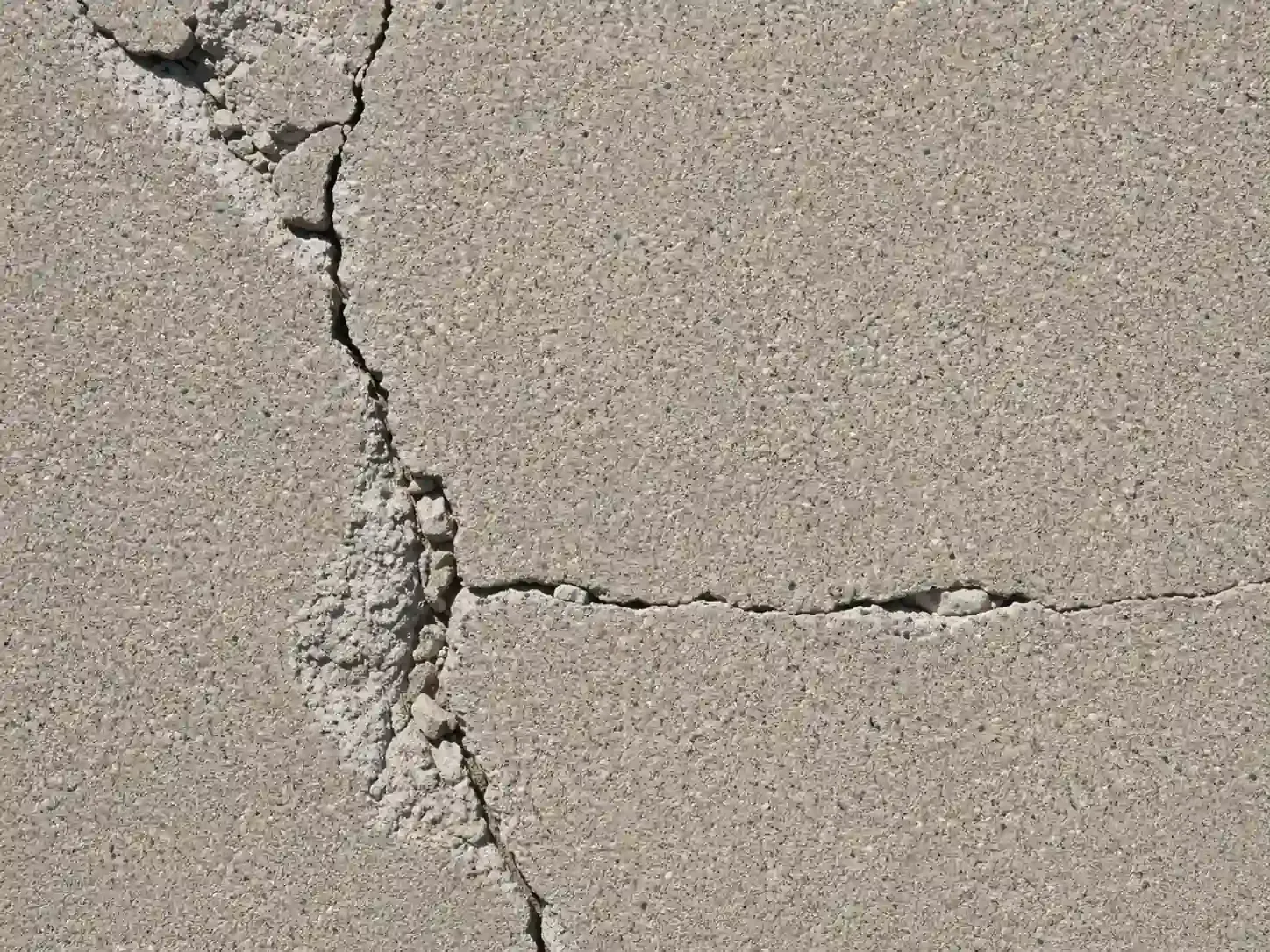
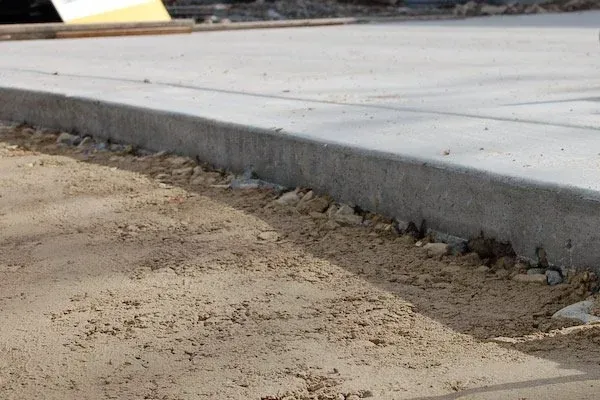
Correct property grading represents the primary defense against water accumulation near homes and hardscaping. Surfaces should slope away from foundations at minimum one-quarter inch per foot for at least ten feet, directing water toward appropriate drainage points. Existing concrete surfaces with improper grades create persistent water problems. Driveways, patios, and walkways installed without adequate slope allow water pooling that damages concrete through freeze-thaw cycles, soil erosion underneath slabs, and moisture infiltration into foundations.
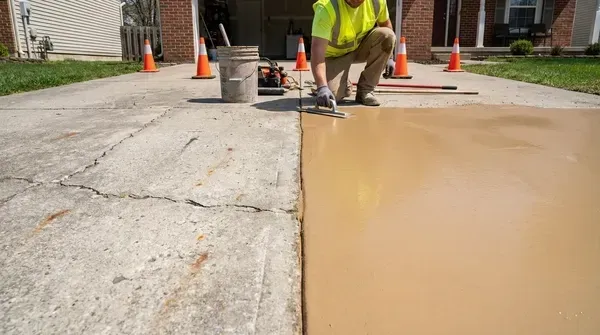
Correcting grading issues sometimes requires removing and replacing existing concrete with properly sloped installations. While representing significant investment, correcting fundamental grading problems prevents ongoing damage and eliminates recurring water issues. New concrete installations should incorporate proper grading from initial planning. Professional contractors evaluate property topography, existing drainage patterns, and water flow during design phases, ensuring finished installations direct water appropriately.
How do you stop rainwater runoff?
Stopping rainwater runoff completely proves impractical, but managing it effectively protects properties from damage. Effective management strategies include establishing positive grading away from structures, installing gutters and downspouts with extensions, creating swales directing flow to appropriate areas, using permeable surfaces allowing infiltration, installing French drains for subsurface collection, and building retention areas temporarily holding water. Combined approaches addressing water at multiple points provide comprehensive protection.
Channel Drains for Surface Water Management
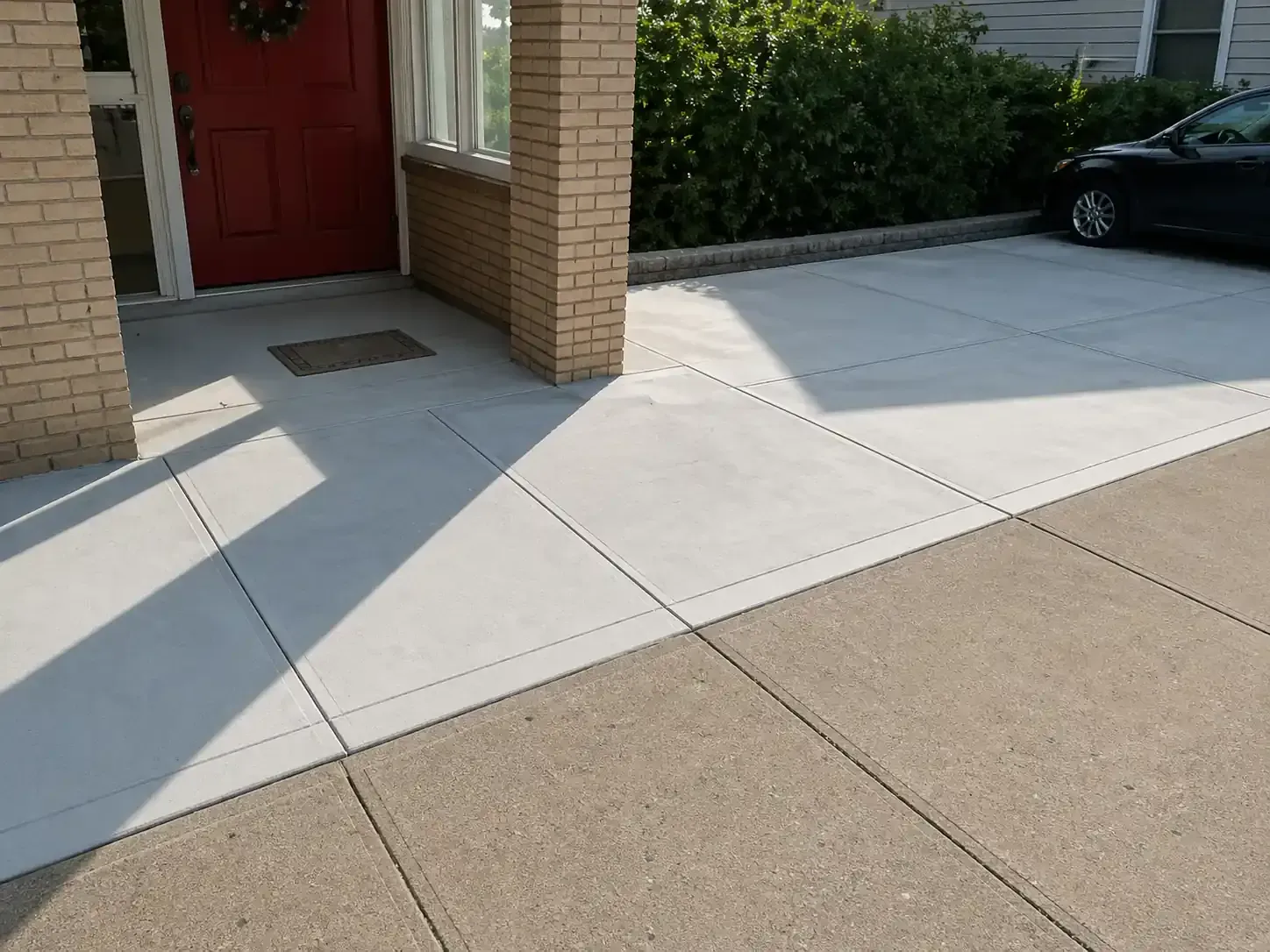
Channel drains, also called trench drains, capture surface water flowing across driveways, patios, and hardscaped areas. These linear drainage systems install flush with concrete surfaces, collecting sheet flow before it reaches problematic areas. Driveway approaches benefit significantly from channel drains positioned at garage entries. Water flowing down driveways stops at channels rather than entering garages or pooling against foundation walls. This simple solution prevents common water intrusion problems in homes with sloped driveways.
Patio perimeters equipped with channel drains prevent water from flowing off hardscaping onto adjacent landscaping or foundations. Collecting runoff at patio edges protects plantings from erosion while directing water to appropriate drainage points. Sizing channel drains appropriately for anticipated water volumes ensures adequate capacity during heavy rainfall. Professional installation includes proper slope in drain channels and connections to discharge points or underground drainage systems.
French Drains for Subsurface Water Control
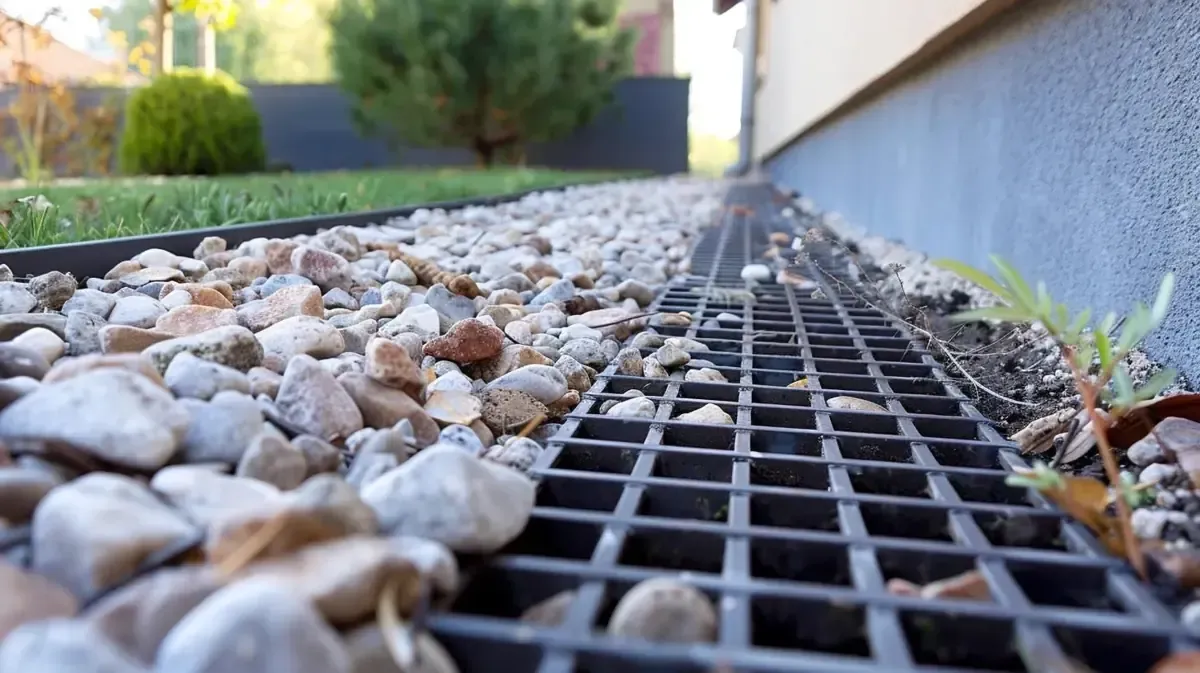
French drains address subsurface water issues preventing foundation problems, yard saturation, and concrete undermining. These underground drainage systems collect water before it reaches problematic areas, redirecting flow to appropriate discharge locations. Perforated pipes surrounded by gravel create French drain cores. Water entering surrounding soil flows into gravel, then through perforations into pipes carrying it away from protected areas. Filter fabric wrapping prevents soil particles from clogging the system.
Foundation perimeter French drains protect homes from water infiltration and hydrostatic pressure. Installing drains alongside footings intercepts groundwater before it contacts foundation walls, preventing moisture intrusion and structural stress. Yard drainage issues including perpetually wet areas, standing water, and soggy ground respond well to French drain solutions. Strategically placed drains collect excess subsurface water, allowing lawns and landscaping to dry properly between rainfall events.
Permeable Concrete Solutions
Permeable concrete allows water to pass through the surface into underlying soil, reducing runoff while maintaining durable hardscaping. This innovative approach addresses drainage while providing functional surfaces for driveways, patios, and walkways. Pervious concrete features interconnected voids allowing water infiltration at rates substantially exceeding rainfall intensity. Water passing through concrete enters aggregate base layers and eventually soil beneath, mimicking natural ground absorption.
Decorative permeable pavers combine aesthetic appeal with drainage functionality. These concrete units install with spacing allowing water infiltration between pavers into gravel bases. Various colors, shapes, and patterns create attractive surfaces with superior drainage. Maintenance involves periodic cleaning preventing sediment from clogging pores. Pressure washing or vacuuming removes accumulated material restoring infiltration capacity. Well-maintained permeable concrete continues functioning effectively for decades.
What is the cheapest way to divert water?
The most economical water diversion methods include establishing positive grading using existing soil, creating surface swales directing flow naturally, extending downspouts with simple splash blocks or underground extensions, and installing basic French drains in critical areas. Simple solutions often prove remarkably effective when properly designed and implemented. However, complex drainage problems may require comprehensive approaches where attempting cheap fixes ultimately costs more through ongoing issues and damage repairs.
Catch Basins and Drainage Structures
Catch basins collect concentrated water flow from multiple sources, directing it into underground drainage systems or appropriate discharge points. These structures handle large water volumes efficiently while preventing erosion at collection points. Driveway low points benefit from catch basin installation collecting water before it flows toward garages or foundations. Grated tops allow water entry while preventing debris from entering drainage pipes. Area drains in low spots throughout properties collect standing water, preventing prolonged saturation. Strategic placement based on property topography and natural water flow patterns maximizes effectiveness.
Professional Design and Installation
Effective drainage solutions require professional expertise in hydrology, grading, and construction. Experienced contractors assess properties comprehensively, designing integrated systems addressing specific drainage challenges. Steadfast Concrete provides complete drainage solutions for Frisco homeowners facing water management challenges. Our team evaluates properties, designs appropriate systems, and implements solutions protecting homes and landscaping from water damage. Site assessment identifies water sources, flow patterns, problem areas, and optimal solutions. This thorough evaluation ensures drainage improvements address root causes rather than merely treating symptoms.
Conclusion
Managing heavy rainfall runoff protects Frisco homes from foundation damage, concrete deterioration, and landscaping erosion. Effective drainage solutions combining proper grading, channel systems, French drains, permeable surfaces, and drainage structures redirect water safely away from vulnerable areas. Addressing drainage problems proactively prevents expensive repairs and maintains property values. Professional assessment and installation ensure drainage improvements function effectively during intense North Texas storms.
Contact Steadfast Concrete at (214) 833-6372 to discuss drainage solutions for your property. Our experienced team designs and implements comprehensive systems protecting your home and hardscaping from water damage.