The Pros and Cons of Applying Concrete Driveway Sealer
Concrete driveway sealer has become a popular maintenance option for homeowners looking to protect and enhance their driveways. This protective coating creates a barrier between your concrete and the elements, potentially extending its lifespan and improving its appearance. However, like any home improvement decision, sealing your driveway comes with both advantages and drawbacks that deserve careful consideration.
Many homeowners face confusion about whether sealing is necessary, worthwhile, or even beneficial for their specific situation. Marketing materials often promise miraculous results, while some contractors dismiss sealing as an unnecessary expense. Understanding the real benefits and potential downsides of concrete sealer helps you make an informed decision about protecting your driveway investment.
The Advantages of Sealing Your Concrete Driveway

Protection Against Water Damage and Freeze-Thaw Cycles
Sealer creates a water-repellent barrier that prevents moisture from penetrating concrete pores. This protection proves especially valuable in climates experiencing freeze-thaw cycles, where absorbed water expands upon freezing and creates internal pressure that cracks and spalls concrete. By keeping water on the surface rather than allowing infiltration, sealer significantly reduces freeze-thaw damage.
The waterproofing effect extends beyond winter protection. Reduced moisture absorption means less opportunity for dissolved salts and chemicals to penetrate the concrete matrix. This prevents the chemical reactions that gradually degrade concrete from within, particularly in areas where de-icing salts are commonly used.
Water protection also prevents efflorescence, the white crystalline deposits that form when water-soluble salts migrate to the concrete surface. Sealer stops this process by preventing water infiltration in the first place.
Stain Resistance and Easier Cleaning
Sealed concrete resists oil, grease, and other automotive fluid stains that commonly plague driveways. The protective barrier prevents these substances from penetrating into concrete pores, where they become nearly impossible to remove. Spills on sealed surfaces wipe away easily before they have time to soak in and create permanent discolouration. This stain resistance translates to significantly easier maintenance. Sealed driveways clean more thoroughly with less effort, requiring only basic washing with soap and water for most cleaning tasks. The smooth, sealed surface doesn't trap dirt and grime the way porous, unsealed concrete does.
For homeowners in Frisco concerned about maintaining their driveway's appearance, Steadfast Concrete at (214) 833-6372 provides professional sealing services that enhance stain resistance and simplify long-term maintenance.
Enhanced Appearance and Color Options
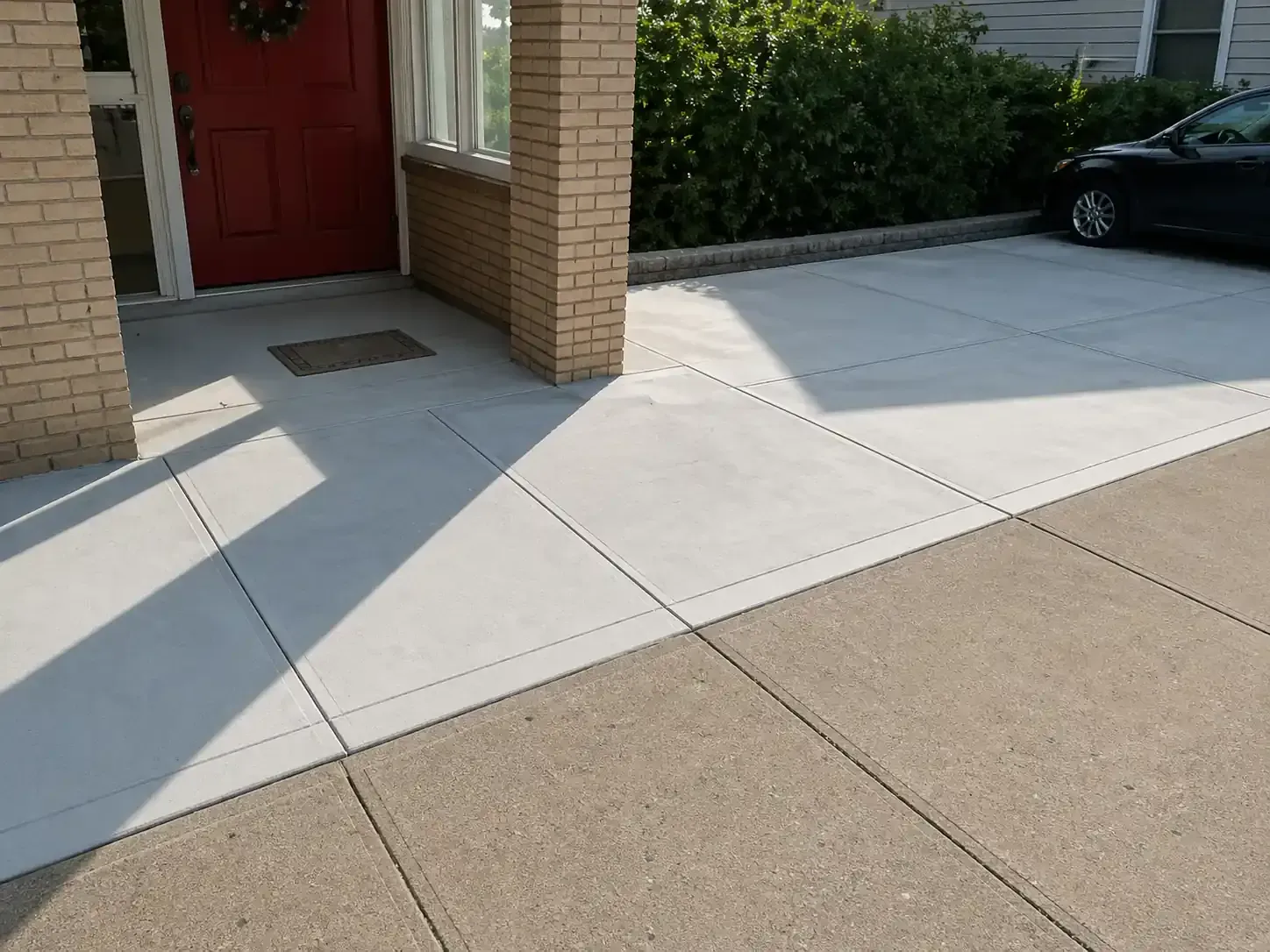
Many sealers enhance concrete's natural color, giving it a richer, more saturated appearance. The "wet look" effect popular with some homeowners provides depth and visual interest that plain concrete lacks. This enhancement proves particularly noticeable on decorative concrete, stamped patterns, and colored concrete driveway installations.
High-gloss sealers create dramatic visual impact, transforming ordinary gray concrete into an eye-catching feature. Lower-sheen options provide subtle enhancement while maintaining a more natural appearance. The range of gloss levels allows homeowners to choose the aesthetic that best matches their preferences and home style.
Extended Concrete Lifespan
By preventing water infiltration, chemical attack, and surface abrasion, sealer potentially extends concrete lifespan by years or even decades. The protective barrier shields concrete from environmental factors that cause deterioration, slowing the aging process significantly.
Sealer reduces surface dusting and erosion caused by traffic and weather exposure. Unsealed concrete gradually loses surface material through abrasion and chemical breakdown. Sealed surfaces maintain their integrity longer, preserving the smooth finish and structural soundness.
The Disadvantages and Challenges of Concrete Sealer
Ongoing Maintenance and Reapplication Requirements
Sealer isn't a one-time application that lasts forever. Most concrete sealers require reapplication every 2-5 years depending on product type, climate, and traffic exposure. This ongoing commitment means recurring costs and periodic maintenance efforts that some homeowners find burdensome.
High-traffic areas wear through sealer faster than protected sections, creating uneven protection across the driveway. Tire paths and turning areas may need resealing annually while other sections last longer. This variability complicates maintenance scheduling and can create patchy appearance if reapplication timing isn't managed carefully.
The reapplication process requires thorough cleaning and sometimes light surface preparation before applying fresh sealer. Neglecting this preparation results in poor adhesion and premature failure. Many homeowners underestimate the work involved in proper resealing.
Application Challenges and Potential for Poor Results
Proper sealer application requires specific weather conditions: typically, temperatures between 50-90°F with no rain forecast for 24-48 hours. Humidity levels, wind, and surface temperature all affect results. This narrow application window proves challenging in many climates.
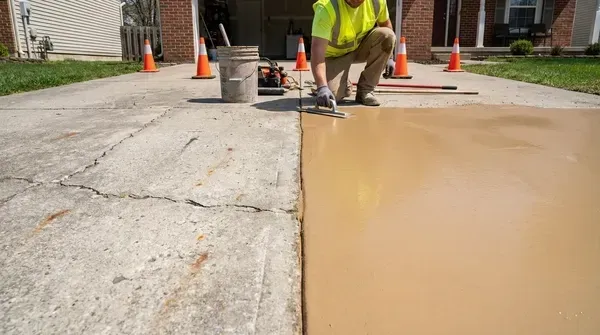
Surface preparation critically affects sealer performance, yet many DIY applications skip or inadequately perform this step. Concrete must be completely clean, dry, and free of previous sealer residue, oils, and contaminants. Inadequate preparation causes adhesion failure, bubbling, or uneven appearance.
Inexperienced applicators frequently create visible roller marks, puddles, or thin spots during application. These defects stand out prominently once the sealer dries, creating an unprofessional appearance worse than leaving the concrete unsealed.
Cost Considerations
Professional sealer application for a standard two-car driveway typically costs $300-$800 depending on product selection and regional pricing. Over a 20-year period with reapplication every 3-5 years, total sealing costs can exceed $2,000-$4,000. This expense competes with other home maintenance priorities.
DIY sealing reduces labor costs but still requires purchasing quality sealer, application equipment, and cleaning materials. Budget sealers often underperform premium products, making the cheapest option a false economy. The cost-benefit analysis depends heavily on your specific situation. Expensive decorative concrete in harsh climates justifies sealing costs more readily than basic driveways in mild environments.
Slipperiness When Wet
High-gloss and some acrylic sealers create slippery surfaces when wet, posing safety concerns for pedestrians and vehicles. This hazard proves particularly problematic on sloped driveways where wet conditions already challenge traction. Winter conditions compound the problem when ice forms on sealed surfaces.
Anti-slip additives mixed into sealer reduce this hazard but also affect appearance and may reduce the protective qualities that made sealing attractive in the first place. Penetrating sealers don't create surface film and therefore don't affect traction, while film-forming sealers range from moderately slippery to dangerously slick.
Environmental and Health Considerations
Many solvent-based sealers contain volatile organic compounds (VOCs) that release harmful fumes during application and curing. These emissions pose health risks to applicators and contribute to air pollution. Some jurisdictions restrict or ban high-VOC sealers.
Water-based sealers offer lower VOC content but may sacrifice some performance characteristics. Sealer runoff during application can contaminate soil and waterways if not properly managed, requiring careful application techniques.
Making the Right Decision for Your Driveway
Evaluating whether to seal your concrete driveway requires an honest assessment of your specific circumstances. Climate plays a major role; freeze-thaw regions benefit more from sealing than mild climates. Driveway age and condition matter too; new concrete gains more protection than old, damaged concrete. Your tolerance for maintenance and ability to reapply sealer every few years should factor into the decision. Homeowners who commit to ongoing maintenance realize greater benefits than those seeking one-time solutions.
Frequently Asked Questions
How long does concrete driveway sealer last?
Most sealers last 2-5 years depending on product type, climate, and traffic levels. Penetrating sealers typically last longer (3-5 years) than topical sealers (2-3 years). High-traffic areas and harsh climates reduce longevity.
Can I seal old concrete that's never been sealed before?
Yes, old concrete can be sealed, but it requires thorough cleaning and may need repairs first. Address cracks, spalling, and other damage before sealing. Extremely deteriorated concrete may not benefit from sealing.
Is sealing necessary for new concrete driveways?
Sealing isn't mandatory but provides valuable protection, especially in harsh climates. New concrete should cure for at least 28 days before sealing. Some contractors recommend waiting 6-12 months to ensure complete curing.
What's the difference between penetrating and topical sealers?
Penetrating sealers soak into concrete and provide internal protection without creating surface film. Topical sealers form a protective coating on the surface. Penetrating sealers offer better breathability and won't peel, while topical sealers provide more stain resistance and aesthetic enhancement.
Will sealer fix cracks or damaged concrete?
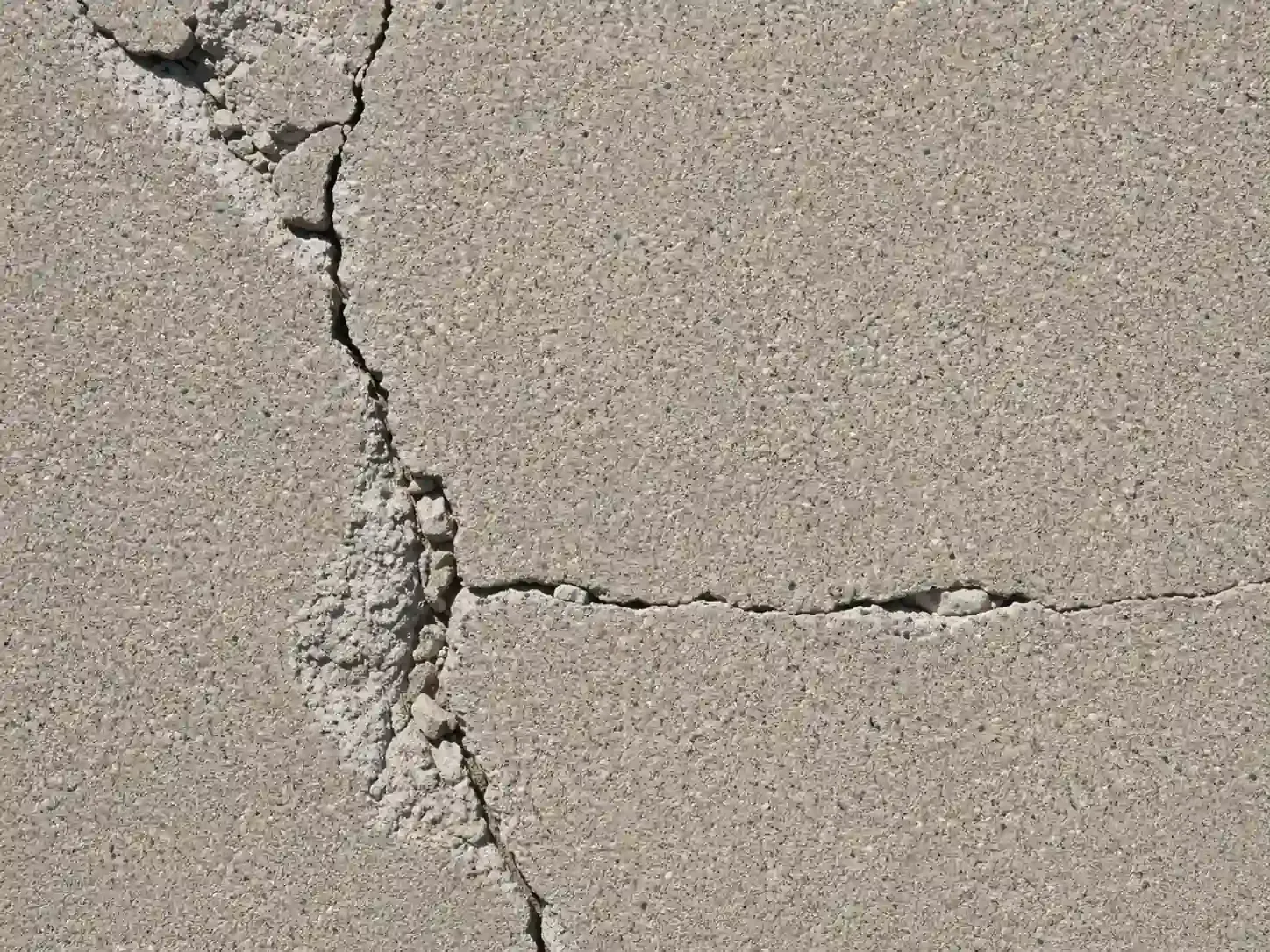
No, sealer doesn't repair structural damage. It may hide minor surface imperfections temporarily, but cracks and deterioration require proper repair before sealing. Sealing over damaged concrete can trap moisture and worsen problems.
Conclusion: Weighing Protection Against Investment
Concrete driveway sealer offers genuine benefits including water protection, stain resistance, and enhanced appearance. For driveways in harsh climates or homeowners prioritizing appearance and easy maintenance, sealing provides valuable returns on investment. The protection against freeze-thaw damage alone can prevent thousands in repair costs. However, sealing isn't universally necessary or beneficial. The ongoing maintenance requirements, application challenges, and recurring costs mean some driveways perform perfectly well without sealer. Homeowners in mild climates with basic concrete driveways may find the expense and effort unjustified.
Considering sealing your concrete driveway but unsure if it's right for you?
Contact Steadfast Concrete at (214) 833-6372 for professional assessment and guidance. Their team provides honest recommendations and expert application services that maximize sealer performance and value for your investment.