How soil conditions in Frisco TX affect concrete foundations
If you have lived in Frisco for any amount of time you have probably heard someone mention foundation problems. A neighbor whose doors stopped closing properly. A coworker who noticed cracks running along their drywall. A friend who had to call a contractor after their concrete slab started shifting. These are not rare situations in North Texas. They are common ones and the soil underneath your property is the main reason why.
Frisco sits on Blackland Prairie soil, one of the most challenging soil types for concrete foundations in the entire country. Understanding how this soil behaves across the seasons is the single most important thing a Frisco property owner can know about protecting their home or commercial building.
What Makes Frisco TX Soil So Hard on Concrete Foundations
Most people think of soil as something stable and solid underneath their property. In Frisco that assumption is wrong.
Frisco sits on Blackland Prairie soil, which has an extremely high concentration of expansive clay. This type of clay has what is called swell shrink behavior. When the soil absorbs moisture during rain or heavy irrigation it expands. When it dries out during hot Texas summers it contracts and shrinks back down. That constant cycle of expansion and contraction happens directly underneath your concrete foundation every single year.
The numbers behind this movement are significant. Frisco clay soil can swell 8 to 12 percent or more when fully saturated and can shrink several inches during drought conditions. Across an entire foundation that kind of movement creates enormous pressure on your concrete slab from multiple directions at once.
In our work on concrete foundations across Frisco and surrounding areas we consistently find that property owners are surprised by how much the soil beneath their property moves across a single year. It is not something you can see happening but the effects on your concrete show up whether you are watching for them or not.
How Expansive Clay Soil Damages Concrete Foundations
The damage does not happen all at once. It builds slowly over multiple wet and dry cycles and shows up in ways that are easy to dismiss until the problem is already serious.
Here is how the process works step by step:
During wet seasons:
When rain or irrigation saturates the soil around your foundation the clay expands and pushes upward and inward against your concrete slab. This upward pressure is called heaving. Uneven heaving across different parts of the foundation creates stress points in the concrete that eventually crack.
During dry seasons:
When the soil dries out it contracts and pulls away from the underside of your concrete slab. This leaves voids beneath the foundation where there used to be solid support. Without that support the slab has nothing to rest on in those areas and it begins to sink or settle unevenly.
The cycle repeats:
Every wet season the soil expands again. Every dry season it contracts again. Each cycle puts more stress on the concrete and widens existing cracks. Over time what started as a hairline crack becomes a structural issue that affects the stability of the entire building.
Not sure if your foundation is showing signs of soil movement? Call Steadfast Concrete at (214) 833-6372 for a free concrete estimate today.
Warning Signs That Frisco Soil Is Already Affecting Your Foundation
The challenge with foundation problems caused by expansive clay is that the warning signs appear in places that seem unrelated to the concrete beneath your feet. Most property owners do not connect these signs to their foundation until a professional points it out.
Here are the warning signs every Frisco property owner should take seriously:
- Doors that stick or no longer close and latch properly are one of the earliest signs that your foundation has shifted. When the slab moves even slightly the door frames move with it and the doors no longer align correctly.
- Windows that are difficult to open or close or that have developed visible gaps around the frame signal the same kind of movement as sticking doors.
- Cracks running along drywall especially diagonal cracks near the corners of doors and windows are a direct result of the foundation shifting beneath the structure.
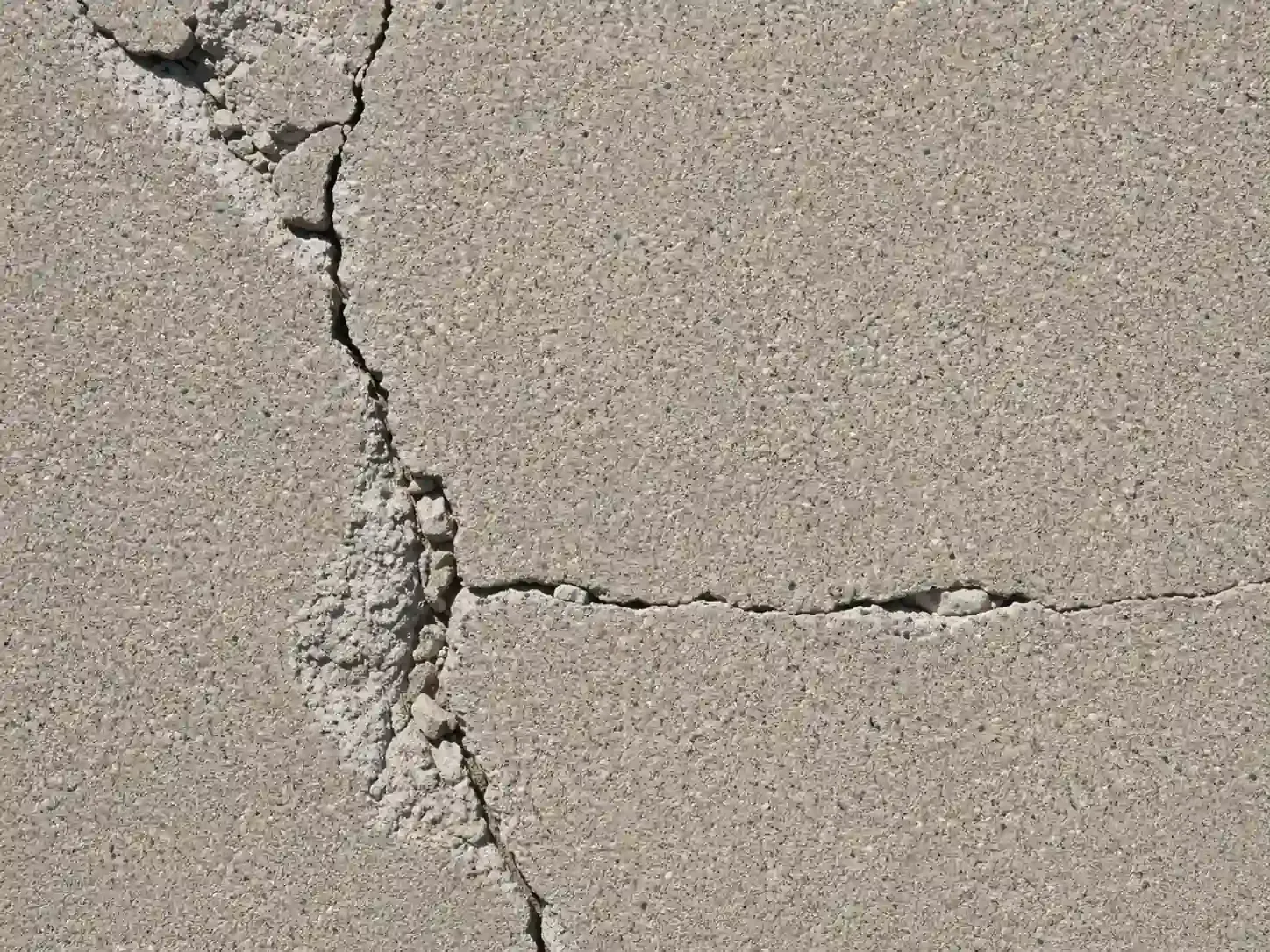
- Visible cracks in the concrete slab itself especially cracks that run across the floor in a stair-step pattern indicate that differential settlement has occurred. One part of the foundation has moved more than another.
- Uneven or sloping floors that you can feel when walking through the property are a sign of significant foundation movement that has already been occurring for some time.
- Gaps between the walls and the ceiling or between baseboards and the floor indicate that the structure has shifted vertically as the foundation settled.
- Cracks in the exterior brick or masonry especially stair-step cracks running through the mortar joints are a reliable visual indicator of foundation movement beneath the building.
None of these warning signs should be dismissed as normal settling. In Frisco the combination of expansive clay soil and seasonal moisture swings means these signs typically get worse over time without professional attention.
What a Properly Built Concrete Foundation Looks Like in Frisco TX
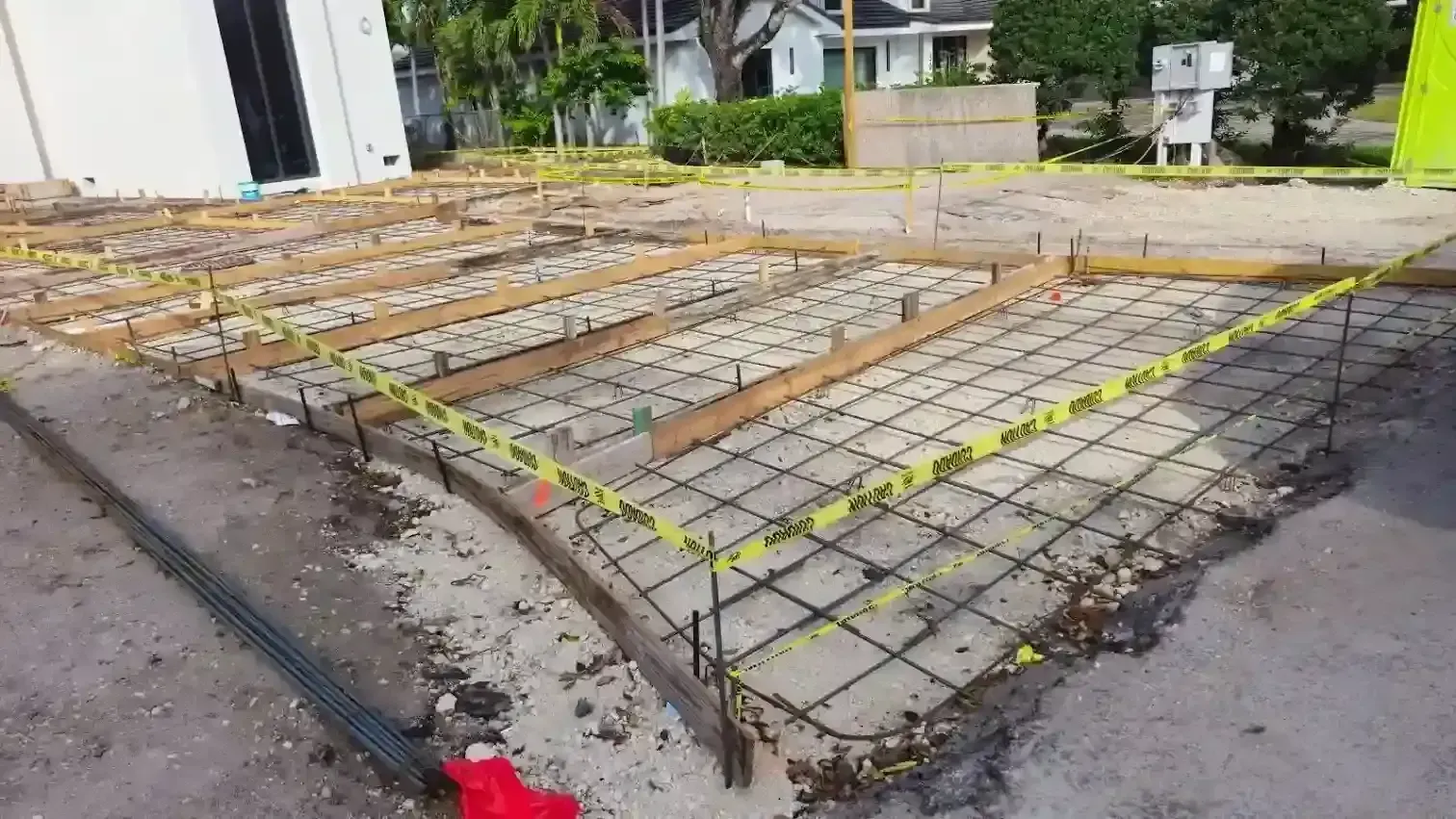
A concrete foundation built correctly for North Texas soil conditions includes several critical elements that standard installations in other parts of the country may not require.
Proper base preparation and compaction:
Before any concrete is poured the soil beneath the foundation must be properly compacted and prepared. Inadequate base preparation is one of the most common causes of premature foundation failure in Frisco. The base layer needs to be able to resist the movement of the clay beneath it.
Steel reinforcement designed for local soil loads:
Concrete foundations in Frisco require heavier steel reinforcement than you would find in areas without expansive clay. The reinforcement holds the slab together as the soil moves beneath it and prevents small cracks from widening into structural failures.
Proper drainage and moisture management:
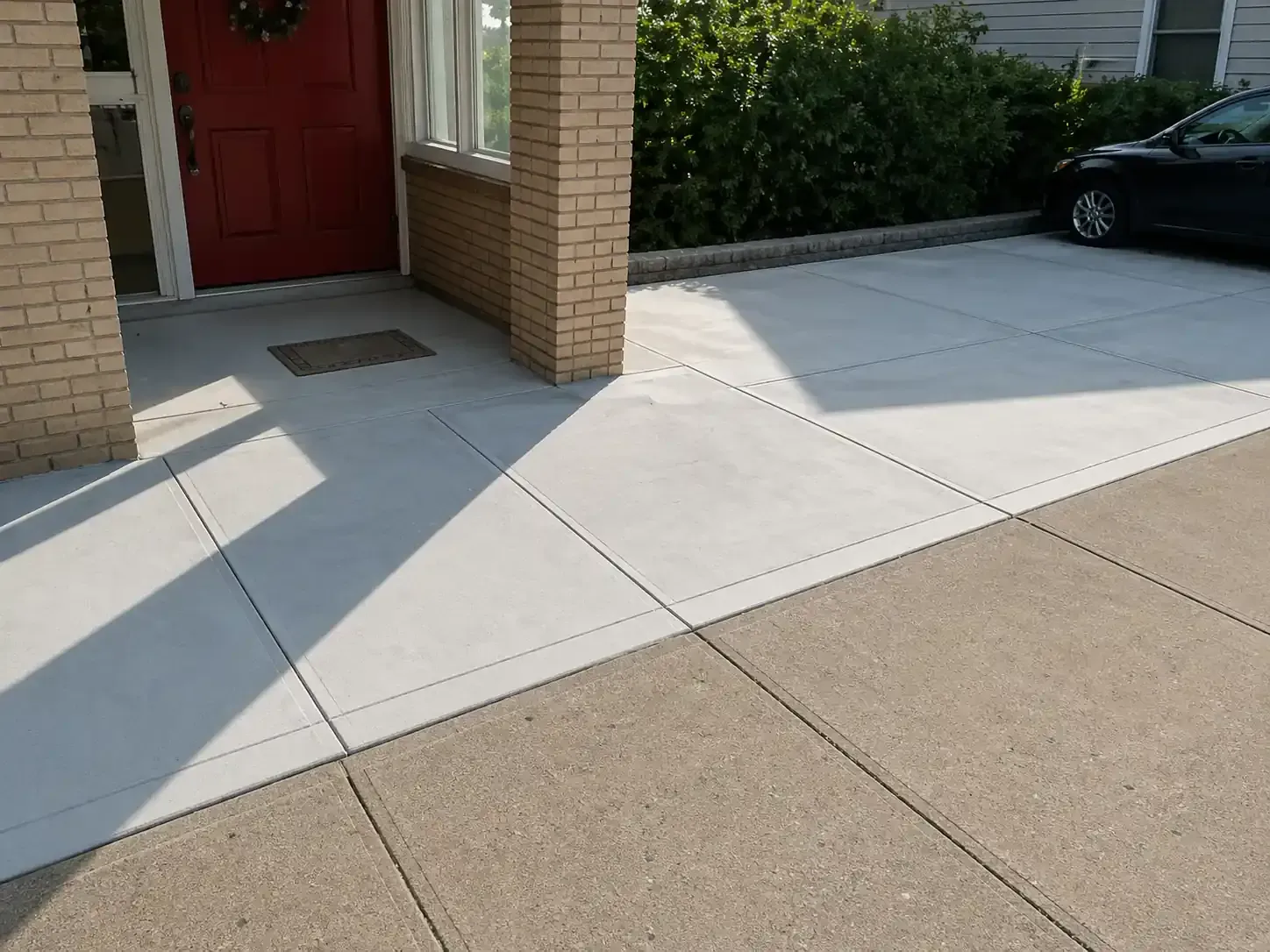
One of the most overlooked elements of a correctly installed foundation in Frisco is drainage. The foundation must be graded to direct water away from the structure rather than allowing it to pool against the concrete. Perimeter drainage systems and moisture barriers beneath the slab help regulate the moisture level of the soil and reduce the severity of the expansion and contraction cycle.
What Frisco Property Owners Can Do Right Now to Protect Their Foundation
You do not have to wait for visible damage to take action. There are practical steps every Frisco homeowner and commercial property owner can take to slow the impact of expansive clay soil on their concrete foundation.
Maintain consistent moisture around your foundation:
The most important thing you can do is keep the soil moisture around your foundation as consistent as possible year round. During dry summers a soaker hose placed around the perimeter of your foundation and run on a consistent schedule helps prevent the extreme shrinkage that creates voids beneath the slab. During wet seasons make sure your drainage is working correctly and water is not pooling against the foundation.
Check and maintain your drainage:
Walk around your property after heavy rain and watch where the water goes. If it flows toward your foundation rather than away from it that is a drainage problem that needs to be corrected before the next wet season.
Address small cracks immediately:
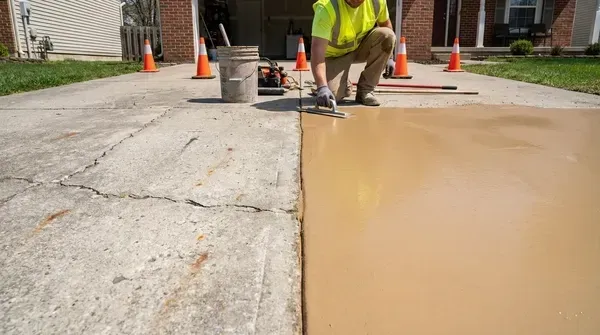
A small crack in your concrete foundation is not automatically a crisis. But it is a signal that the soil is moving and the crack will widen over time if it is not addressed. Small cracks that are sealed early stop water from getting beneath the slab and accelerating the damage.
Get a professional evaluation before starting any renovation:
If you are planning a renovation, addition, or any project that will add load to your structure, have a concrete professional evaluate your foundation first. Adding weight to a foundation that is already experiencing soil movement is one of the fastest ways to turn a manageable problem into a serious structural issue.
Ready to protect your concrete foundation in Frisco TX? Call Steadfast Concrete at (214) 833-6372 or visit us at 9201 Warren Parkway, Frisco TX 75035 to get your free estimate today.
The Right Foundation Starts With Understanding the Ground Beneath It
Concrete foundations in Frisco face a challenge that most other parts of the country simply do not have to deal with at the same level. The Blackland Prairie clay soil that runs beneath neighborhoods across the city moves constantly with the seasons and that movement puts every concrete foundation under ongoing stress. Steadfast Concrete has been serving Frisco and North Texas for over 15 years.
Call Steadfast Concrete at (214) 833-6372 for a free concrete estimate. Be Steadfast. Build to Last.