How North Texas Clay Soil Affects Your Driveway and When Concrete Resurfacing Is the Right Fix
If you own a home in Frisco TX you have probably noticed what happens to your driveway over time. Cracks appear that were not there last year. The surface looks rough and pitted in spots that used to be smooth. Maybe one section has shifted slightly higher than the one next to it.
The Blackland Prairie clay soil that runs beneath Frisco and the surrounding Collin and Denton County area is one of the most challenging environments for concrete driveways in the entire country. Understanding what that soil actually does to your driveway and knowing when concrete resurfacing is the right solution versus when something else is needed first will save you from either spending too much on an unnecessary replacement or too little on a resurfacing job that does not address the real problem underneath.
What North Texas Clay Soil Actually Does Beneath Your Driveway
The clay soil beneath your Frisco property is what geologists call expansive clay. Frisco sits atop the Blackland Prairie characterized by deep dark expansive clay soils known as smectite. This soil is infamous for its high shrink-swell potential. During wet spring months the clay absorbs water and expands pushing concrete structures upward During scorching dry summers the clay shrinks and cracks leaving voids beneath your driveway.
Your driveway is a rigid concrete slab. The soil beneath it is constantly moving. That combination creates a battle the concrete loses over time regardless of how well it was originally installed.
The area covering Dallas through Tarrant to Collin and Denton counties is among the worst with over 50 percent clay content. When North Texas soil expands and then shrinks your concrete will rise and fall. Since different areas of the soil expand and contract at different rates the settling is usually uneven which can result in cracking.
During wet periods the expanding soil pushes upward against the underside of your slab creating pressure called heaving. Different areas expand at different rates so one section of your driveway rises more than another. Stress points form at those elevation differences and cracks follow.
What Clay Soil Damage Looks Like on Your Frisco Driveway
Knowing what to look for helps you identify where your driveway sits in the damage progression and what options are available to you.
Hairline surface cracks
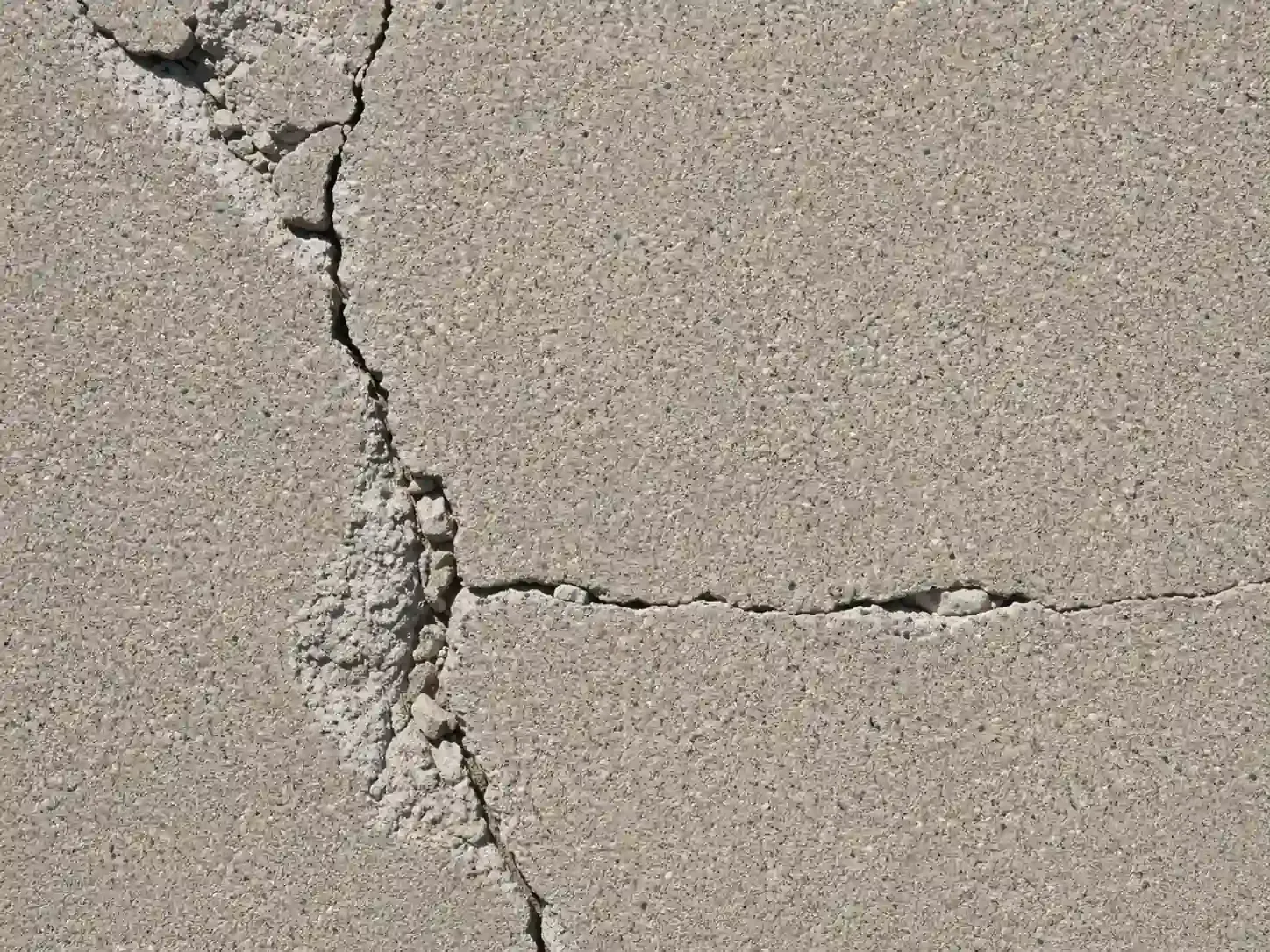
The earliest visible sign of clay soil movement is thin hairline cracks running across the surface of the slab. At this stage the structural integrity of the concrete is not compromised. The cracks are primarily cosmetic and the base beneath is still sound. This is the best time to act because all options including resurfacing are available to you.
Widening cracks and surface spalling
As the swell-shrink cycle continues hairline cracks widen. Water enters the cracks and accelerates deterioration. The surface begins to spall meaning the top layer chips flakes and peels away in irregular patches leaving a rough pitted surface.
Uneven slabs and significant cracking
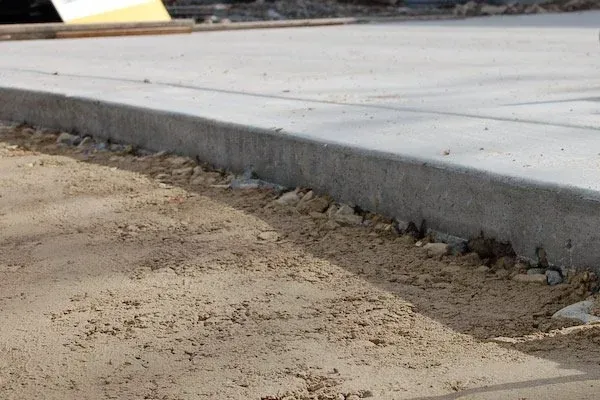
When enough soil movement has occurred under different sections of the driveway those sections begin to shift at different elevations. One panel rides up while an adjacent panel drops. The joint between them creates a visible edge that is both a tripping hazard and a sign that the base beneath the slab is no longer providing uniform support.
Structural failure
At the most advanced stage the concrete has lost structural integrity across significant portions of the driveway. Sections crumble, heave dramatically, or have sunk below the surrounding grade. Resurfacing is not an option at this point.
When Concrete Resurfacing Is the Right Fix for Your Frisco Driveway
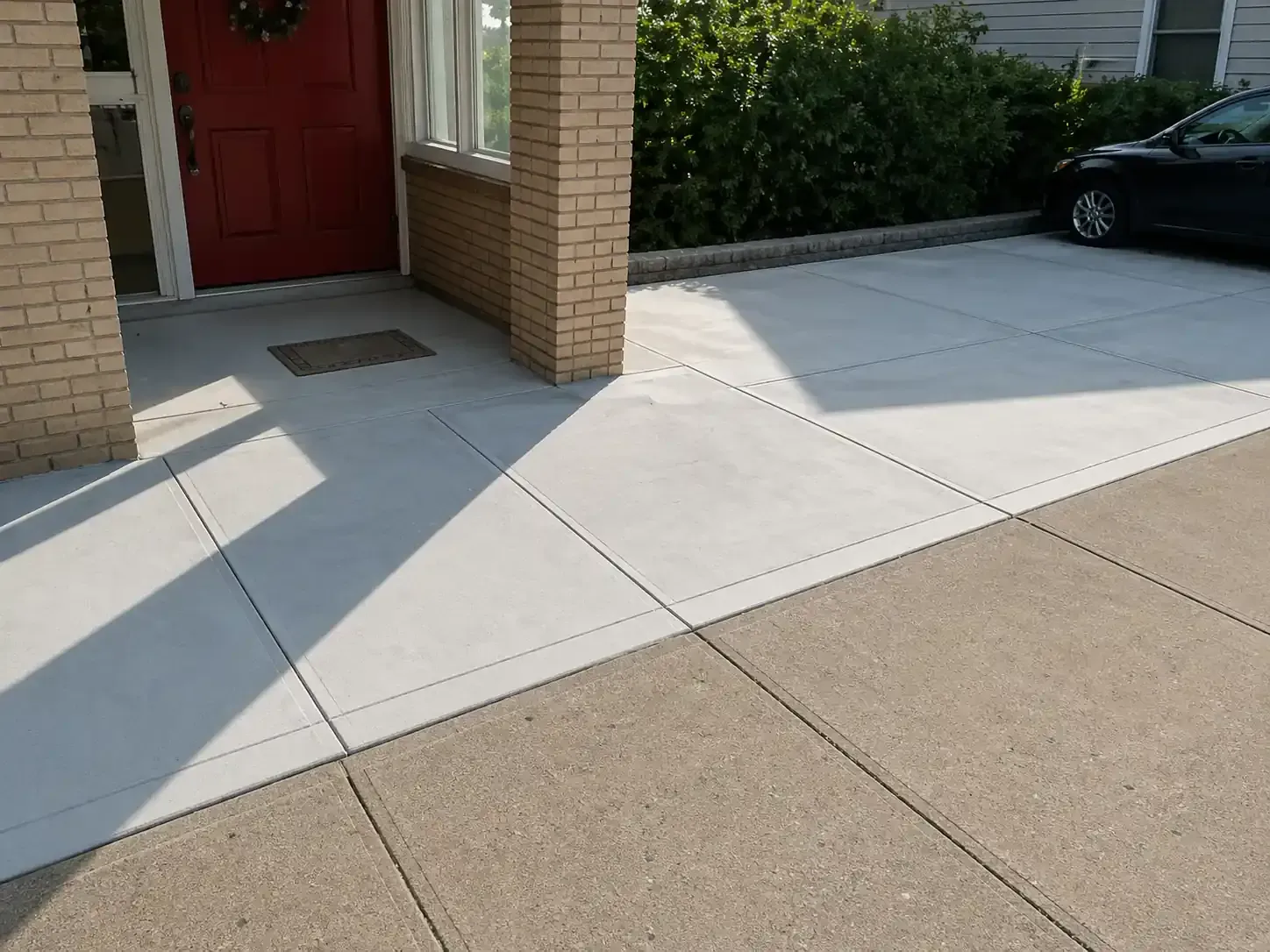
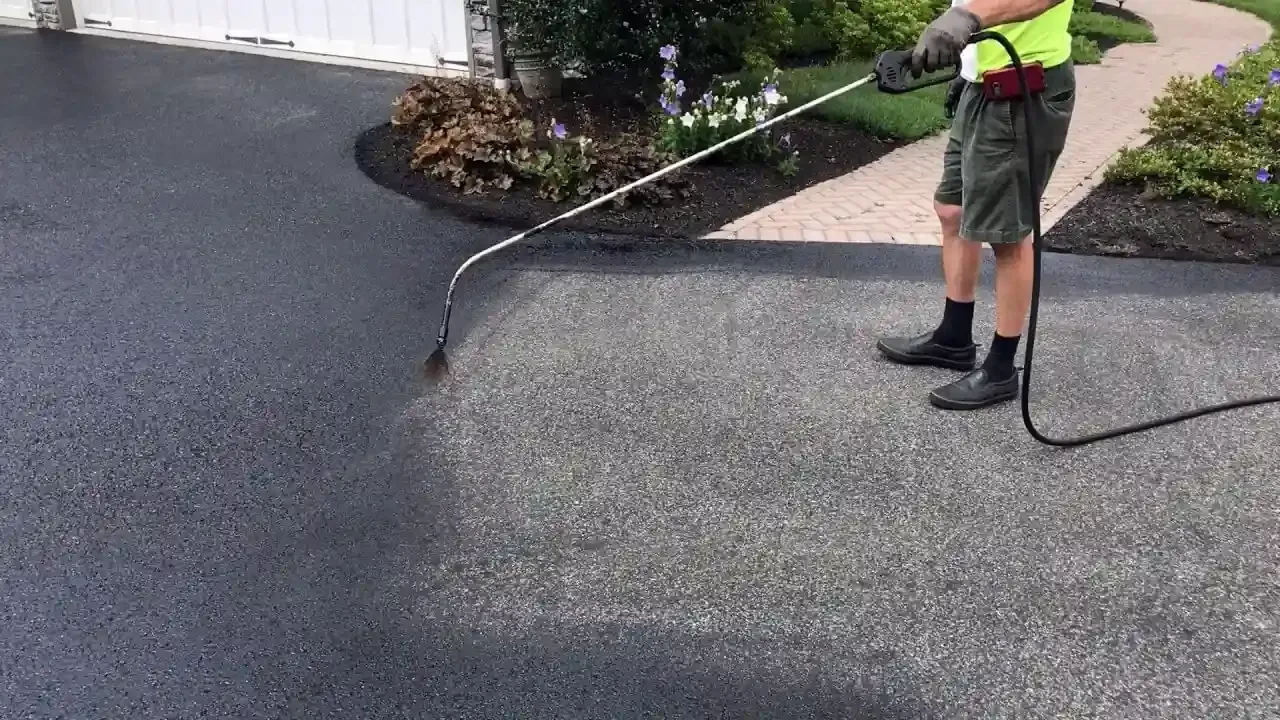
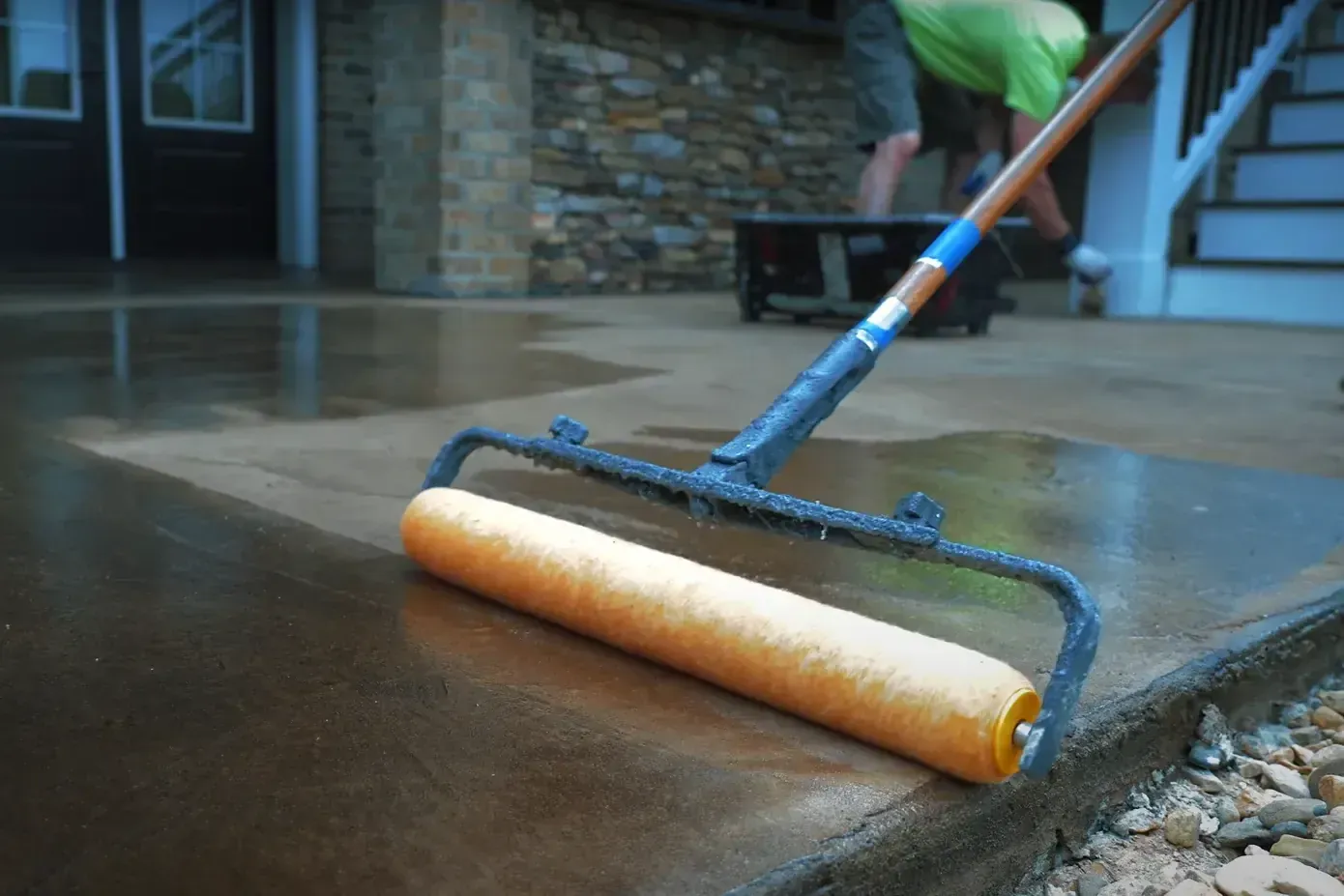
Concrete resurfacing is the process of applying a new polymer-modified concrete overlay over your existing slab surface. Done correctly it creates a fresh durable surface that bonds to the existing concrete and gives your driveway an entirely new appearance without the cost of full demolition and replacement.
Resurfacing is the right fix when all of the following conditions are true:
The structural base is still sound
Resurfacing addresses surface damage. It does not fix structural problems beneath the slab. When the soil moves or washes out the slab loses support and starts to crack or break apart. If the concrete below the surface has lost integrity or if the soil beneath the slab has significant voids a new overlay will not hold.
Cracks are surface level rather than through the full depth
Hairline cracks and cracks less than a quarter inch wide that do not extend through the full depth of the slab are good candidates for resurfacing. Cracks wider than a quarter inch or cracks that go completely through the concrete indicate more significant structural stress that needs evaluation before resurfacing is considered.
No significant heaving or sinking has occurred
If sections of your driveway have heaved upward or sunk downward creating elevation differences between panels that soil movement issue needs to be addressed first. If slabs are heaving significantly over one inch, lifting or replacement may be recommended before resurfacing.
The damage is primarily cosmetic
Staining, surface spalling, fading, minor cracking, and general wear from weather and use are all conditions where resurfacing delivers excellent results. These are surface problems that a quality overlay addresses directly.
Call Steadfast Concrete at (214) 833-6372 for a free driveway evaluation to find out if your Frisco driveway is a good candidate for resurfacing.
When Concrete Resurfacing Is Not the Right Fix
Being honest about when resurfacing is not appropriate is as important as explaining when it is. Applying a new surface over the wrong conditions wastes money and creates a result that fails quickly.
Your existing concrete has deep cracks wider than a quarter inch that run through the full depth of the slab. These indicate structural failure rather than surface wear.
Significant sections of the driveway have heaved or sunk creating elevation differences greater than one inch. The underlying soil movement needs to be addressed before any surface treatment.
Large areas of concrete are crumbling or breaking apart. Once concrete fragments to that degree there is not enough structural integrity remaining to support a new overlay.
Water consistently pools in large areas of the driveway after rain. This indicates drainage or grading problems that need to be corrected before any surface work is done.
What Makes Resurfacing Work in a North Texas Clay Soil Environment
Not all driveway resurfacing is the same. In a market like Frisco where clay soil movement is a constant factor the materials matter significantly more than they do in other parts of the country.
Standard concrete has high compressive strength but low tensile strength and inevitably cracks under the pressure of clay soil movement. The solution is polymer-modified cement which adds acrylic or latex polymers to the cement mix increasing the material's flexural strength and allowing the resurfaced layer to tolerate minor movements in the substrate without cracking.
Proper surface preparation is equally critical. The existing surface must be thoroughly cleaned ground and prepared before any overlay is applied. This creates the mechanical bond between the new layer and the existing concrete that makes the resurfacing hold up over time. Skipping or rushing surface preparation is the most common reason resurfacing jobs fail prematurely in any market.
How to Maintain Your Resurfaced Driveway Through North Texas Seasons
Proper maintenance after resurfacing extends the life of the new surface through multiple Texas seasons.
Keep the soil moisture around your driveway as consistent as possible across the year. During dry summers a soaker hose run along the perimeter of the driveway on a consistent schedule helps reduce the dramatic soil shrinkage that creates voids beneath the slab. Consistent moisture does not eliminate clay soil movement but it reduces the severity of the seasonal cycle.
Ensure your drainage is directing water away from the driveway surface and the soil beneath it. Water pooling against the concrete or penetrating through cracks accelerates the swell-shrink cycle and the damage it creates.
Protect Your Driveway Investment
Your driveway faces a challenge that most other parts of the country do not have to deal with at the same level. The Blackland Prairie clay soil beneath your property moves constantly with the seasons and that movement puts your concrete under ongoing stress every single year.
The Frisco homeowners who avoid the most expensive driveway problems are the ones who understand what is happening beneath their property, recognize the early warning signs, and work with a concrete contractor who knows how North Texas soil actually behaves across the seasons.
Call Steadfast Concrete at (214) 833-6372 or visit us at 9201 Warren Parkway, Frisco TX 75035 for your free driveway evaluation today.